
Autism and Sleep Problems: Why So Many Autistic People Struggle to Sleep
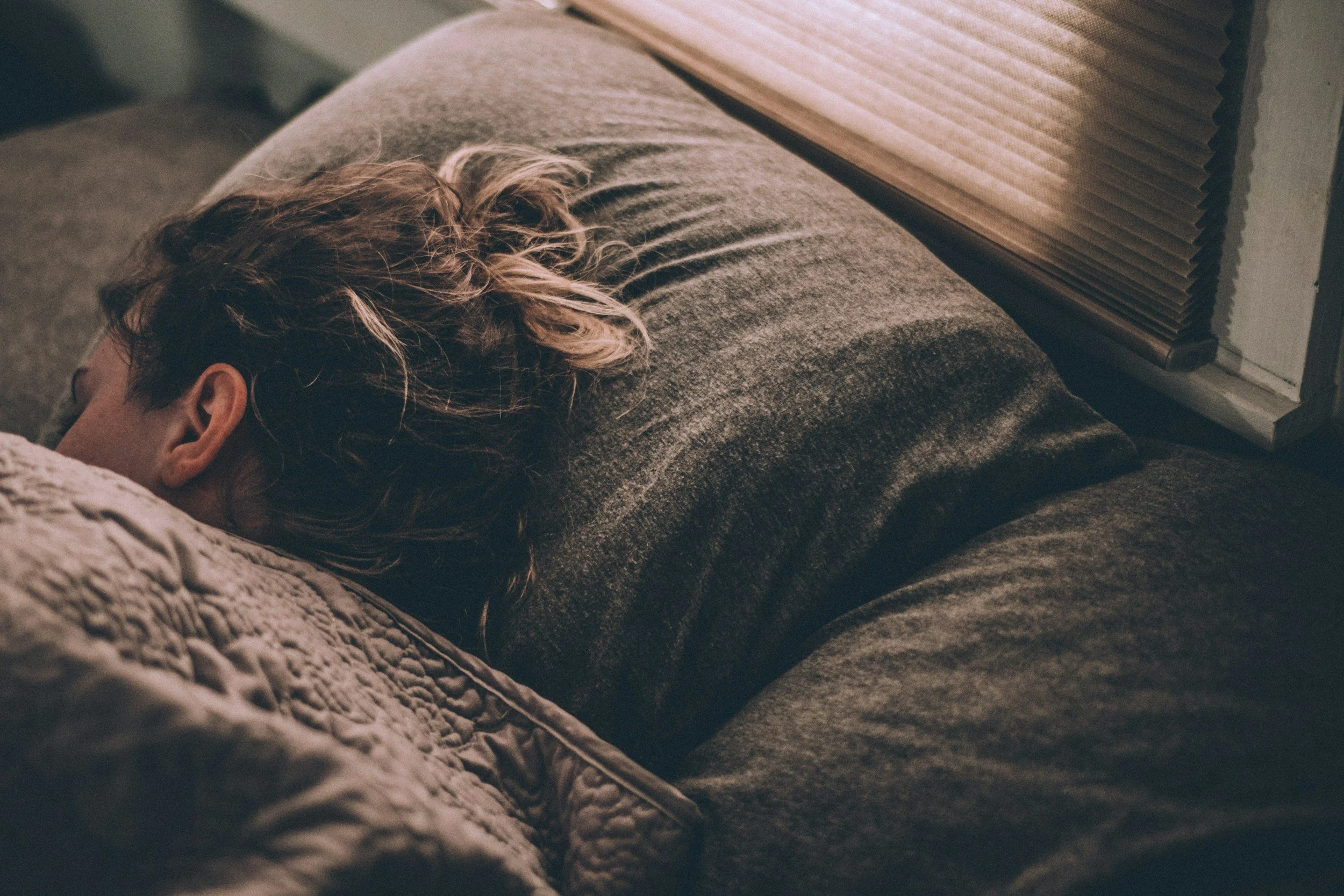
Understanding Autism, Sleep Difficulties, Insomnia, Sensory Sensitivities, and Sleep Anxiety
For many autistic people, sleep is not something that comes easily.
While sleep is often described as a natural process that happens automatically when the body is tired, many autistic children and adults experience something very different. Bedtime can become a source of frustration, anxiety, sensory discomfort, and exhaustion. Falling asleep may take hours. Staying asleep can be difficult. Some people wake repeatedly during the night, while others find themselves awake long before they need to be. Many describe feeling exhausted throughout the day but unable to achieve the restorative sleep their body and mind need.
These difficulties are often misunderstood.
Parents may be told that their child simply needs a better bedtime routine. Adults may assume they are stressed, anxious, or simply "bad sleepers." While these explanations can sometimes play a role, they often fail to recognise the unique factors that contribute to sleep difficulties in autistic people.
At Profound Psychology, we regularly meet autistic adults and families across Lincoln who describe sleep problems as one of the most challenging parts of daily life. For some individuals, poor sleep has been present since early childhood. For others, sleep difficulties become more noticeable during periods of stress, burnout, increased responsibilities, or major life changes.
The reality is that sleep difficulties are extremely common in autism. They are not a sign of weakness, laziness, poor parenting, or a lack of effort. They often reflect the way an autistic nervous system processes information, manages sensory input, regulates emotions, and responds to the demands of everyday life.
This guide explores:
the relationship between autism and sleep
why autistic people often struggle to sleep
autism insomnia and sleep anxiety
sensory sensitivities and sleep
autistic burnout and exhaustion
sleep difficulties in autistic children and adults
practical strategies that may help
Does Autism Affect Sleep?
Yes.
Research consistently shows that sleep difficulties are significantly more common in autistic people than in the general population.
Many autistic individuals experience:
difficulty falling asleep
difficulty staying asleep
frequent waking
restless sleep
early morning waking
irregular sleep patterns
chronic fatigue
Sleep difficulties can occur across the lifespan and may affect children, teenagers, and adults.
Importantly, these difficulties are not simply secondary problems. For many autistic people, sleep issues are closely connected to sensory processing, emotional regulation, anxiety, routines, executive functioning, and nervous system regulation.
This means that improving sleep often involves understanding the broader autistic experience rather than focusing solely on bedtime habits.
Why Do Autistic People Struggle to Sleep?
There is no single explanation.
Instead, sleep difficulties in autism are often influenced by several interconnected factors.
Many autistic people experience heightened awareness of their environment. Sounds, textures, temperatures, lighting, smells, and physical sensations that others barely notice may remain highly noticeable during the night.
At the same time, many autistic individuals experience increased mental activity, difficulty switching off thoughts, emotional processing at bedtime, or anxiety about the next day.
The result can be a nervous system that remains alert long after the body is physically tired.
Many autistic people describe feeling exhausted but unable to settle.
Sensory Sensitivities and Sleep
One of the most significant contributors to autism sleep problems is sensory processing.
For many autistic people, bedtime involves navigating an environment filled with sensory information.
This might include:
the texture of bedding
labels in clothing
background noise
ticking clocks
changes in temperature
streetlights through curtains
sounds from neighbouring rooms
physical sensations that others barely notice
While these experiences may seem minor to neurotypical individuals, they can feel impossible to ignore for someone with sensory sensitivities.
A room that appears calm and comfortable to one person may feel overstimulating and uncomfortable to another.
This means that falling asleep may require much more sensory regulation than many people realise.
Autism and Racing Thoughts at Night
Many autistic adults describe bedtime as the point at which their brain becomes most active.
Throughout the day, work, school, family responsibilities, and social demands may keep attention focused externally.
At night, when the world becomes quieter, thoughts often become louder.
People may find themselves:
replaying conversations
analysing social interactions
thinking about future events
reviewing mistakes
planning upcoming tasks
processing emotional experiences
Some individuals describe feeling unable to stop thinking.
Others experience a constant flow of ideas, observations, worries, and reflections that make sleep difficult.
This is not always anxiety in the traditional sense.
For many autistic people, it reflects the way their brain processes information and seeks to make sense of experiences.
Autism and Sleep Anxiety
Sleep anxiety is common among autistic children and adults.
For some people, anxiety develops because bedtime itself becomes associated with frustration.
After months or years of struggling to sleep, individuals may begin worrying about sleep before they even get into bed.
Thoughts often include:
"What if I can't sleep tonight?"
"How tired will I be tomorrow?"
"What if I can't function?"
"How will I cope?"
This anxiety increases alertness and makes sleep even harder.
Over time, the bedroom can become associated with stress rather than rest.
Many autistic people experience a cycle in which anxiety worsens sleep, and poor sleep increases anxiety.
Autism, Change, and Sleep Difficulties
Autistic people often benefit from predictability and routine.
Sleep is no exception.
Changes to routines can significantly affect sleep quality.
Difficulties may increase during:
school holidays
moving house
starting a new job
relationship changes
travelling
changes in daily schedules
What may seem like a relatively small disruption can have a substantial impact on the autistic nervous system.
This is one reason many autistic people find consistent routines helpful.
Autistic Burnout and Sleep
Many autistic adults experience periods of profound exhaustion known as autistic burnout.
Burnout can affect:
energy levels
emotional regulation
concentration
sensory tolerance
daily functioning
Ironically, being exhausted does not always make sleep easier.
Many people experiencing burnout report:
difficulty falling asleep
waking frequently
feeling unrefreshed
sleeping for long periods but remaining tired
This can create a frustrating cycle in which exhaustion increases the need for sleep while simultaneously making restorative sleep more difficult.
Autism and Sleep Problems in Children
Sleep difficulties are common in autistic children.
Parents may notice:
resistance at bedtime
difficulty settling
repeated requests after lights out
waking during the night
early waking
needing extensive bedtime routines
anxiety around sleep
For families, this can be incredibly challenging.
When a child is not sleeping well, parents often become sleep deprived as well.
This can affect family wellbeing, emotional regulation, and daily functioning.
Understanding the reasons behind sleep difficulties often helps families approach bedtime with greater compassion and more realistic expectations.
The Impact of Poor Sleep on Daily Life
Sleep difficulties affect much more than tiredness.
Poor sleep can increase:
sensory sensitivity
anxiety
emotional dysregulation
overwhelm
irritability
concentration difficulties
executive functioning challenges
Many autistic people notice that sensory experiences feel more intense when they are sleep deprived.
Social interaction may require more effort.
Emotional regulation becomes harder.
Everyday tasks can feel significantly more demanding.
This means sleep and wellbeing are closely connected.
Autism, Executive Functioning, and Sleep
Executive functioning difficulties can also contribute to sleep problems.
Some autistic people struggle with transitions, including transitioning from waking activities to bedtime.
They may become deeply engaged in interests, hobbies, reading, gaming, or research and find it difficult to stop.
Others may struggle to establish consistent routines or lose track of time in the evening.
Understanding these executive functioning challenges can help explain why good intentions do not always translate into healthy sleep habits.
Practical Strategies for Autism Sleep Problems
Although there is no universal solution, many autistic people benefit from strategies that recognise sensory and nervous system needs.
Helpful approaches may include:
creating predictable bedtime routines
reducing sensory discomfort
managing lighting and noise levels
allowing time for emotional processing
supporting anxiety management
maintaining consistency where possible
creating sensory-friendly sleep environments
recognising signs of burnout
The most effective strategies are usually personalised rather than based on rigid sleep rules.
When Should You Consider an Autism Assessment?
You may wish to explore an autism assessment if sleep difficulties occur alongside:
sensory sensitivities
social exhaustion
masking
difficulties with change
emotional regulation challenges
autistic burnout
relationship difficulties
lifelong feelings of being different
Many autistic adults initially seek help for anxiety, stress, exhaustion, or sleep problems before recognising that autism may be contributing to their experiences.
Assessment can provide clarity, understanding, and practical recommendations.
Autism Assessments in Lincoln With Profound Psychology
At Profound Psychology, we provide comprehensive autism assessments for adults, children, and young people across Lincoln and surrounding areas.
Our assessments explore social communication, sensory processing, emotional regulation, developmental history, sleep experiences, and the broader factors that may affect wellbeing.
If this article resonates with your experiences, support is available.
Contact Profound Psychology to learn more about autism assessments in Lincoln.
Frequently Asked Questions About Autism and Sleep Problems
Are sleep problems common in autism?
Yes. Sleep difficulties are significantly more common in autistic children and adults than in the general population.
Can autism cause insomnia?
Many autistic people experience insomnia, including difficulty falling asleep, staying asleep, or achieving restorative sleep.
Why do autistic people struggle to sleep?
Sleep difficulties may be linked to sensory sensitivities, anxiety, emotional processing, routines, executive functioning, and nervous system regulation.
Can sensory sensitivities affect sleep?
Yes. Noise, light, temperature, textures, and other sensory experiences can make it difficult to fall asleep or stay asleep.
Does autistic burnout affect sleep?
Yes. Burnout can contribute to exhaustion, poor sleep quality, and feeling unrefreshed even after sleeping.
Are sleep difficulties common in autistic children?
Yes. Many autistic children experience challenges with bedtime routines, settling to sleep, night waking, or early waking.
Can anxiety make autism sleep problems worse?
Yes. Anxiety and sleep difficulties often reinforce one another.
How do I know if autism could explain my sleep difficulties?
If sleep difficulties occur alongside sensory sensitivities, masking, social exhaustion, emotional regulation difficulties, or lifelong feelings of being different, autism may be worth exploring.
How do I arrange an autism assessment in Lincoln?
Profound Psychology provides autism assessments for adults, children, and young people across Lincoln and surrounding areas.