
Profound Psychology Blog

Posted on the 19/03/2026

Understanding Neurodiversity Assessments: The Benefits of an Autism or ADHD Diagnosis

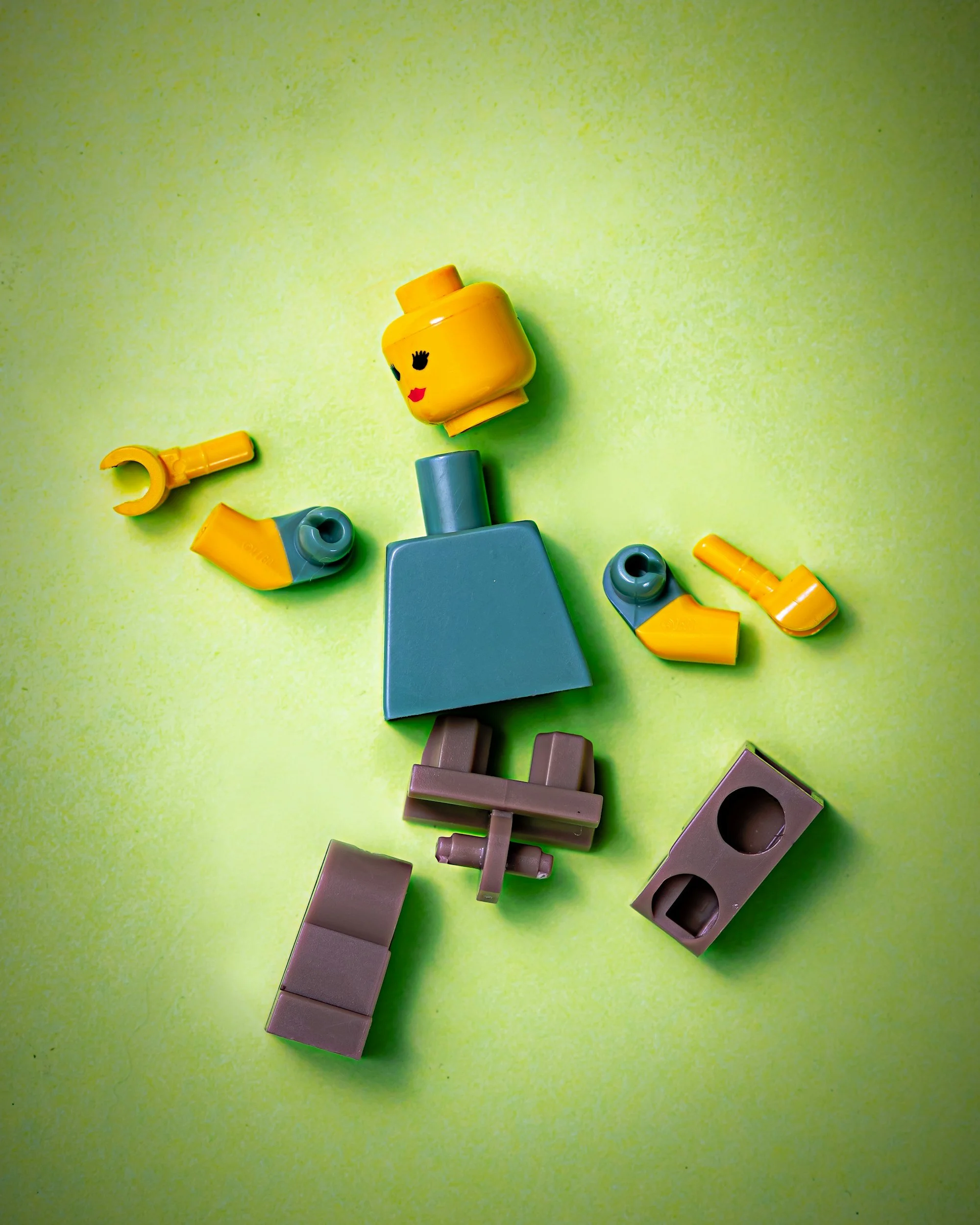
Image of person having sensation of freedom after autism and ADHD assessment at profound psychology

What is a neurodiversity assessment?

A neurodiversity assessment is a structured process used to understand how your brain works, particularly in relation to Autism (Autism Spectrum Disorder) and ADHD (Attention Deficit Hyperactivity Disorder). These assessments are carried out by qualified clinicians and are based on recognised diagnostic criteria.

Why do people seek an Autism or ADHD assessment?

People often come for an assessment after years of wondering why things feel different or more difficult. You might relate to:

  • Feeling overwhelmed by sensory environments

  • Struggling with attention, organisation, or time management

  • Finding social situations confusing or exhausting

  • Experiencing burnout or chronic stress

  • A sense that you’ve been “masking” or coping for a long time

A neurodiversity assessment can help make sense of these experiences in a compassionate and structured way.

What happens during a neurodiversity assessment?

An Autism or ADHD assessment typically includes:

  • A detailed clinical interview

  • Exploration of developmental history (including childhood)

  • Standardised assessment tools

  • Questionnaires or rating scales

  • A comprehensive diagnostic report

At our Lincoln-based clinic, assessments are carried out in a calm, neurodiversity-friendly environment, with adjustments made to suit individual needs.

The benefits of getting a diagnosis

1. Clarity and self-understanding

One of the most significant benefits of an Autism or ADHD diagnosis is finally having an explanation for your experiences. Many people describe this as a sense of relief — understanding that their differences are not personal failings, but part of how their brain works.

2. Access to support and adjustments

A formal diagnosis of Autism or ADHD can help you access:

  • Workplace adjustments under the Equality Act

  • Educational support (schools, colleges, universities)

  • Reasonable adjustments in daily life

  • Specialist services or therapies

3. Improved mental health

Undiagnosed neurodivergence is often linked to:

  • Anxiety

  • Depression

  • Burnout

A diagnosis can support more appropriate, tailored interventions and reduce self-criticism.

4. Better relationships and communication

Understanding your needs and communication style can improve relationships with:

  • Partners

  • Family

  • Colleagues

It also helps others understand how best to support you.

5. Tailored therapy and support

With a clear diagnosis, therapy can be adapted to suit your needs. A neurodiversity-affirming approach ensures that support works with your brain, not against it.

6. Validation and reduced self-blame

Many people have spent years feeling “different” or “not good enough.” A diagnosis can provide validation and help reframe those experiences with compassion and understanding.

Is a diagnosis always necessary?

A diagnosis is a personal choice. Some people find self-identification helpful, while others benefit from the clarity and practical support that a formal diagnosis provides.

If you are considering an Autism or ADHD assessment, it can be helpful to think about what you hope to gain — whether that’s understanding, support, or access to services.

Accessing neurodiversity assessments in Lincoln

At Profound Psychology’s clinic in Lincoln, we offer:

  • Autism assessments

  • ADHD assessments

  • Neurodiversity-affirming therapy

We aim to provide a calm, accessible, and supportive environment, with reasonable adjustments tailored to each individual.

Taking the next step

If you’re wondering whether an Autism or ADHD assessment might be right for you, you’re not alone. Seeking answers is a positive and empowering step.

You’re welcome to get in touch to discuss your needs or book an initial consultation.

Arrange an Initial Consultation

If you would like to explore whether an Autism or ADHD assessment in Lincoln may be helpful for you or your child, please contact Profound Psychology to arrange an initial consultation.

We will be happy to discuss your situation and guide you through the next steps.

Posted on the 01/04/2026

Sensory Differences in Autism and ADHD: Understanding Overload, Sensitivity, and Support

A person reaching under a running outdoor water spigot, with water flowing over their hand, wearing colorful clothing. ADHD, Autism, Sensory, Lincoln, Profound Psychology.

Many people who come for an assessment describe a similar experience: feeling overwhelmed by things others seem to take in their stride. Noise that feels unbearable. Clothing that’s impossible to ignore. Environments that quickly become exhausting.

Sensory differences are a core part of both autism and ADHD, yet they are often misunderstood—especially in adults who may have spent years masking or adapting without realising why things feel so difficult.

This article aims to help you make sense of these experiences, and to understand what support can look like.

What Are Sensory Differences?

Sensory differences relate to how the brain processes information from the environment—sound, light, touch, smell, taste, and movement.

For some people, input can feel too intense. For others, it may not feel strong enough, leading to a need for more stimulation.

You might recognise this in yourself if you:

  • Feel easily overwhelmed in busy or noisy places

  • Notice small physical sensations that others seem to ignore

  • Seek out movement, pressure, or stimulation to feel more regulated

These are not personality traits or sensitivities to “push through.” They reflect genuine differences in how the nervous system processes the world.

Sensory Differences in Autism

For many autistic people, sensory differences are a central part of daily life.

This might include:

  • Strong sensitivity to sound, light, or textures

  • Difficulty filtering background noise

  • Feeling physically uncomfortable in certain environments

  • Becoming overwhelmed in busy or unpredictable settings

Over time, many people develop ways of coping—avoiding certain places, preparing carefully, or masking their discomfort. However, this often comes at a cost, particularly in terms of energy and burnout.

Sensory Differences in ADHD

Sensory experiences in ADHD can look slightly different, but they are just as real.

People often describe:

  • Being easily distracted by sounds or movement

  • A constant need to fidget or move

  • Difficulty ignoring discomfort, such as clothing or temperature

  • Seeking stimulation to stay focused

Rather than being about sensitivity alone, sensory differences in ADHD are often linked to how the brain regulates attention and alertness.

When Autism and ADHD Overlap

It is very common for autism and ADHD to co-occur, and when they do, sensory experiences can become more complex.

You might find that:

  • Some days you are highly sensitive, and other days you seek more input

  • Stress or fatigue lowers your tolerance significantly

  • You feel both overwhelmed and restless at the same time

Understanding this overlap can be an important part of making sense of your experience, particularly if things have never felt fully explained before.

What Is Sensory Overload?

Sensory overload happens when the brain receives more input than it can comfortably process.

People describe this in different ways: a sense of pressure building, difficulty thinking clearly, rising anxiety, or the need to escape the situation.

It may lead to:

  • Irritability or shutdown

  • Difficulty concentrating or communicating

  • Physical discomfort or tension

Common triggers include busy environments, loud or unpredictable noise, bright lighting, or prolonged social interaction.

Sensory Differences in Adults

In adulthood, sensory differences are often hidden.

Many people have learned to adapt by:

  • Avoiding certain environments

  • Pushing through discomfort

  • Masking reactions to fit in

This can sometimes lead to being misunderstood as anxious, overly sensitive, or easily overwhelmed, without recognising the underlying sensory component.

For some, identifying these patterns later in life can be a significant moment of clarity.

Supporting Sensory Needs

There is no single approach that works for everyone, but small, thoughtful adjustments can make a meaningful difference.

This might include:

  • Reducing noise or visual demands where possible

  • Using tools such as noise-cancelling headphones or fidget items

  • Building in regular breaks to reset

  • Noticing early signs of overload and responding sooner

Support is most effective when it is personalised and grounded in an understanding of your individual sensory profile.

When to Consider an Assessment

It may be helpful to explore an assessment if sensory experiences:

  • Have been present for a long time

  • Affect your day-to-day functioning

  • Contribute to stress, anxiety, or burnout

  • Have never been fully explained

A comprehensive assessment can help bring these experiences into context, whether related to autism, ADHD, or both.

How We Support Sensory Differences at Profound Psychology

At Profound Psychology, we often work with individuals who feel overwhelmed, exhausted, or misunderstood without fully knowing why.

A key part of our approach is helping people understand their sensory profile in a way that feels clear, practical, and validating.

This may include:

  • Exploring how sensory processing affects daily life

  • Identifying patterns linked to overwhelm or burnout

  • Developing personalised strategies that actually fit your environment and lifestyle

Where appropriate, this sits alongside comprehensive assessment for autism and ADHD, as well as ongoing therapeutic support.

The aim is not simply to label difficulties, but to help you understand how your brain works—and what genuinely supports you.

Frequently Asked Questions

Are sensory differences only part of autism?
No. While they are a core feature of autism, sensory differences are also very common in ADHD.

Can sensory sensitivity change over time?
Yes. It often varies depending on stress, fatigue, and environment.

Is sensory overload the same as anxiety?
They can feel similar, but sensory overload is rooted in how the brain processes input, rather than being purely emotional.

Final Thoughts

Sensory differences are not a weakness or something to overcome. They are part of how your brain experiences the world.

Understanding them can help you move from simply coping to finding ways of living that are more sustainable, manageable, and aligned with your needs.

If these experiences feel familiar, exploring them further can be an important step toward clarity and support.

Arrange an Initial Consultation

If you would like to explore whether an Autism or ADHD assessment in Lincoln may be helpful for you or your child, please contact Profound Psychology to arrange an initial consultation.

We will be happy to discuss your situation and guide you through the next steps.